Preventario Preventario

Hazardous substances and fire.

One of the eight clusters your risk assessment already names. This page holds the trainings behind it, what a single run takes out of a shift, and what it costs.

Two workers in hard hats and high-visibility vests leaning over a container together

Safety teams at

MEINHARDT STAHLWERKE Kessler Logistik SALZACH ENERGIE TREBBIN Antriebstechnik Reimann Tiefbau FISCHBACH KRANBAU

Recognising a substance, not looking it up.

Every substance on your site is written down somewhere. The sheet says what it is, what it does to a person, and what to do when it gets out. All of that is correct, and all of it is in a folder.

None of it helps in the aisle. There, someone has to notice that a drum is standing where it does not belong, that a smell is new, that the fire door is propped open with a pallet. Noticing is not knowledge. It is habit, and habit comes from having stood in front of it before.

Your instruction is where the knowledge goes, and it stays exactly as it is. This is for the part of it that has never worked by being read out.

Four moments where this decides something

They come off chemical sites, energy sites and laboratories. None of them is rare, and none of them leaves anyone time to read. What happens next is whatever the hands have done before.

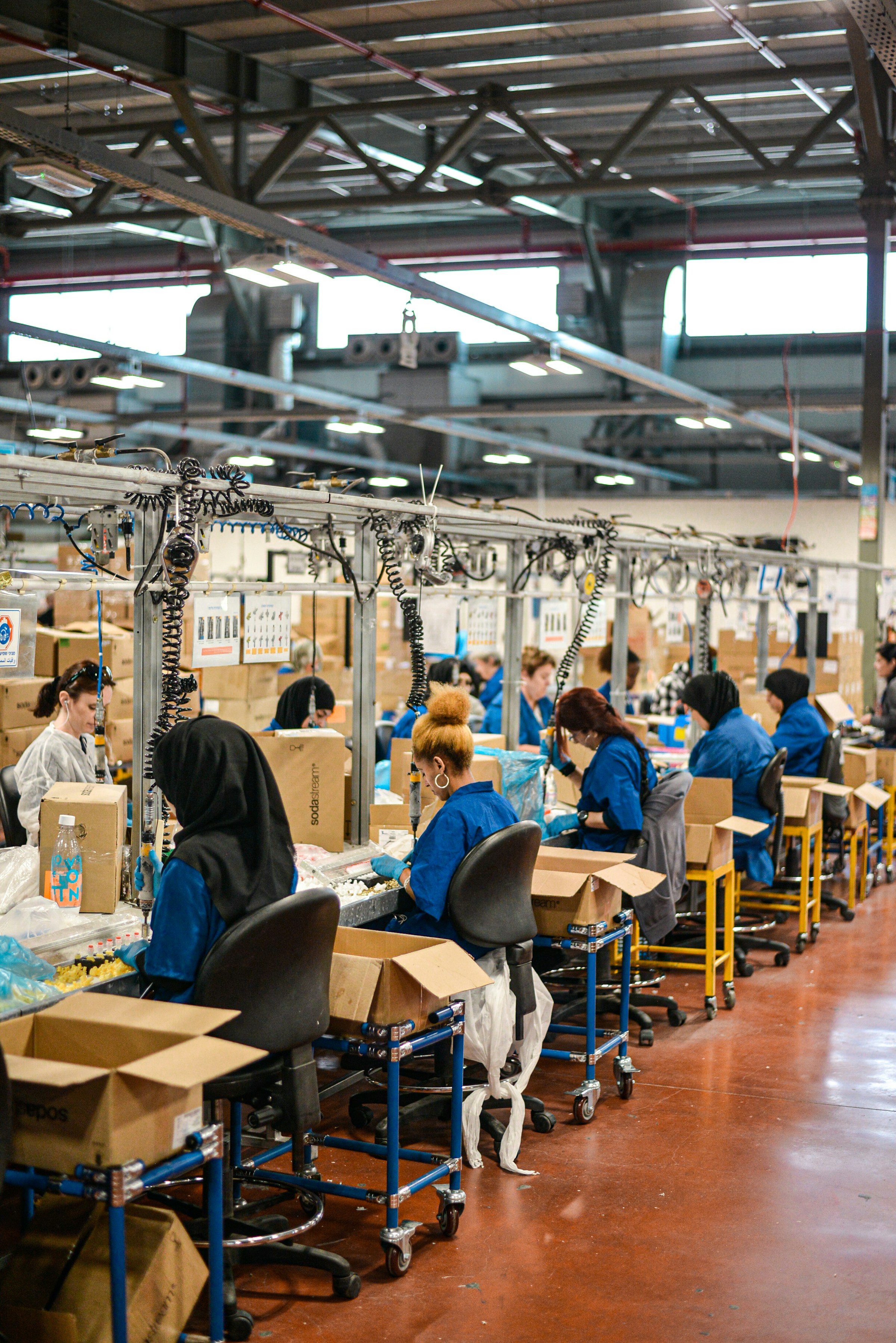
A production hall seen down a wide aisle, workbenches and stacked cartons on both sides

A drum is standing where it does not belong.

It came off a delivery an hour ago and nobody has moved it since. Whether that matters depends on what is in it and on what is standing next to it, and both have to be read off the container by whoever walks past first.

The smell is new.

Nobody wants to be the person who stopped a line over a smell. What gets practised here is the cheap first move: say it out loud, name where, and let somebody else decide it was nothing.

The fire door is wedged open with a pallet.

It has been like that for weeks because the way round is longer. On the one day it matters, the route it was there to keep clear is the route people will be running down.

Something is on the floor and it is spreading.

Which way it runs, what it must not reach, and whether the right move is to contain it or to leave the room and pull the alarm. That order is the thing a team gets to be wrong about once.

We take one of these four, or one from your own assessment, and go through it start to finish.

What it takes out of a working day

The reason a session like this gets postponed is almost never the content. It is that nobody can spare the people. So here is the whole bill, in four items.

  1. 1

    A room you already have

    A meeting room, a corner of the canteen, an empty bay. Nothing is installed, nothing goes on your network, and there is nothing for anyone in IT to sign off.

  2. 2

    Two people at a time

    A pair steps out, works through the situation and goes back. No date in the calendar that twenty people have to clear, and no shift that waits for a seminar to end.

  3. 3

    Five to thirty minutes

    That is one run of any training on this page, first word to last. Short enough to fit between two orders, long enough that the situation is finished and not sampled.

  4. 4

    And again, at no extra cost

    Repeating is the whole point, and it is not billed by the run. A team that got the order wrong in March goes through it again in April, and a new starter goes through it in week one.

The first two are the same on every site. The last two are what makes the difference a year later.

How a session runs, step by step
A wide production hall in use, rows of benches and stacked material under a steel roof

The trainings behind this cluster

Each one is a single task where a substance or a fire decides what happens next. The time is one run. The price is per module and per year, however often you run it.

A long row of workbenches under a factory roof, every place occupied

Hazardous substances and fire

Fire evacuation

5–10 min per run

€499 per module per year
plus €2.39 per learner

A bench of instruments and equipment in a low-lit technical room

Hazardous substances and fire

Laboratory safety

10–20 min per run

€499 per module per year
plus €2.39 per learner

Teams on energy sites meet this cluster next to falls from height and machinery — their industry page starts from all three at once.

Nobody on your side has to run it.

The question that ends most of these programmes is not whether they work. It is who keeps them going in the second year. These four are the answer, and none of them is booked separately.

Reporting
Who trained on what, broken down by site. The list can be exported the moment somebody asks for it.
Recorded per person, per site.
System integration
The record is handed over to the system your company already runs. Nothing new to log into.
No second place to look things up.
Equipment service
The equipment comes with the booking. We service it and replace a unit when it fails. Nothing to buy, nothing to keep in stock.
Provided, serviced, replaced.
Rollout support
We are there for the first units on your own site, until your people run them without us.
The first sessions, together.

They are the reason a training still happens in the second year, and the reason nobody in your team ends up owning a side job.

All four services in detail

The four numbers that decide this

Not accident statistics. You know what this hazard does, or you would not have opened this page. These are the figures about what you would actually be putting in place.

trainings in this cluster
3
minutes for one run
5–30
shifts stopped for it
0
record, in the system you keep
1

Repeats are not counted and not billed. A team can go through the same situation in March, again in June, and once more when somebody new starts — and every one of those runs is in the record.

What the record looks like

Three people have to say yes.

They are not asking the same question. An answer that satisfies one of them rarely gets past the other two.

“I have written ‘read the label before you move it’ into the instruction three times in six years. Last month someone stopped a pallet in the aisle and came to ask me what was in it. That had never happened before.”
Katrin Ostermann Safety specialist, Salzach Energie
“My only question was what it costs me in output. They go in two at a time between orders, so the answer was nothing. That is why I said yes.”
Jörg Wendling Plant manager, Meinhardt Stahlwerke
“I wanted to know what gets recorded about the people who take part. It is who was there and when, and it stops there. That was the point I would have blocked it over.”
Anke Rudolph Works council chair, Trebbin Antriebstechnik

The questions that come before a yes

Sorted into two: what you check before you decide, and what it takes to keep it running. Where the answer is no, it starts with no.

Your question is not here

Write it in your own words. You get an answer in writing that you can pass on inside your company. We answer in English and German.

questions@preventario.example

Before you decide

Does this replace our safety instruction?

No. The instruction your company is required to hold stays exactly as it is, with the same content and the same signature. This covers the part of it that has never worked by being read out: acting on a substance in the moment somebody meets it. It runs next to your instruction, on the same hazards.

What does it cost?

€499 per module per year, plus €2.39 per learner per year. The equipment, the service and the record are in that figure. Runs are not counted, so the second time a team goes through a situation costs the same as the first: nothing extra.

Can we start with one training instead of the whole cluster?

Yes, and most companies do. Usually it is the one their own assessment flags hardest, run with one team on one site. The rest of this cluster follows once that group has been through it twice.

We are a laboratory, not a plant. Does that change anything?

The rooms and the containers do. Laboratory safety is built from bench work and small quantities; the storage training is built from pallets, racking and drums. The way a session runs, what it takes out of a day and what gets recorded are the same in both.

Once it runs

Who looks after the equipment?

We do. It is supplied with the booking, serviced by us and replaced when a unit fails. It does not sit on your network and there is nothing for anyone in your team to keep running — the equipment service page says what that covers.

What is recorded about a person?

Participation: who took part, on which training, and when. No score, no ranking, nothing about how one person did against another. That is the whole record, and it is the one your works council will ask about first.

Who runs the sessions after the first month?

Your own people. We are on site for the first units and hand over once they run without us — usually a shift lead or whoever already gives the toolbox talks. There is nothing to learn beyond starting it and reading the list afterwards.

The other seven clusters

A risk assessment almost never names one. Whatever you save on any of these pages lands on the same shortlist, and goes into the same conversation.

This cluster turns up on energy sites next to falls from height and machinery. If your assessment uses different wording, start from the energy page instead — it opens all three at once.

Take one substance off your list and run it.

Bring the page of your assessment that names substances and fire. We pick one entry from it and go through the training start to finish, the same version your people would get. Then you know what you are deciding about.

Equipment
We supply it, already set up
Training data
Participation only, no individual scores
Records
Every session logged and exportable