Preventario Preventario

The emergency, rehearsed.

Your teams work through the hazardous situations they actually meet on site — as often as they need, without stopping production and without putting anyone at risk. Every run is recorded, so you can see who has trained on what, across every location.

Safety teams at

MEINHARDT STAHLWERKE Kessler Logistik SALZACH ENERGIE TREBBIN Antriebstechnik Reimann Tiefbau FISCHBACH KRANBAU
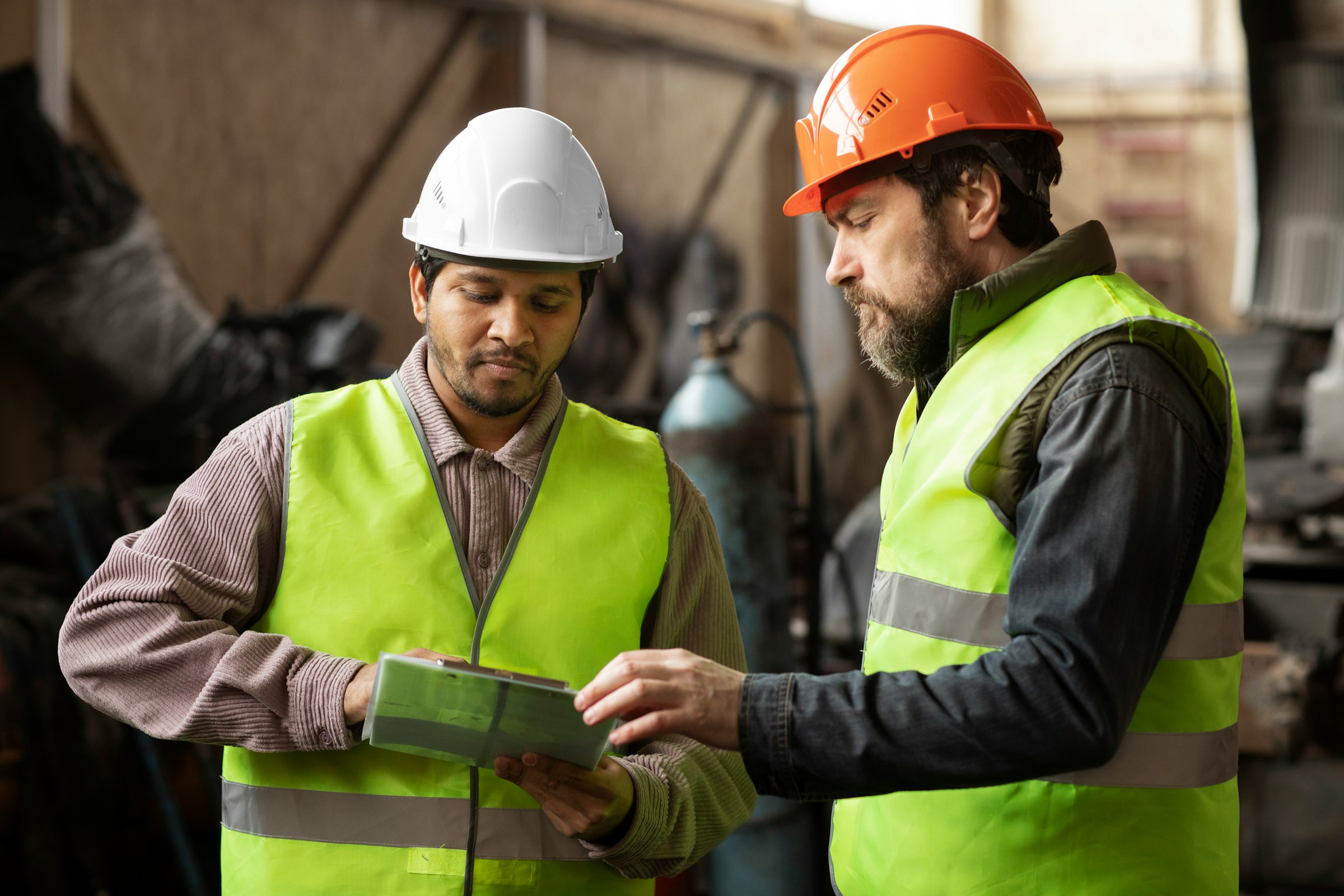
Two workers in high-visibility vests and hard hats going through a checklist on a workshop floor

Knowing what to do is not the same as doing it.

Most safety training ends with a signature. The rules get explained, the attendance list gets filed, and the subject is closed for another year.

But nobody acts from a document. In a dangerous moment people do what they have done before, not what they were told. So that is what we train: the situation itself, repeated, until the right move is the one that comes first.

706,485 reportable accidents at work in one year. One every 44 seconds.

Germany, 2024. Source: DGUV.

Fatal accidents at work
194
Direct costs
€2.39bn

From your risk assessment to trained teams.

The document your company already keeps names the hazards that really occur, area by area. That list decides what gets practised — not a catalogue, and not what happened to be trained last year.

From there it is short: every named hazard gets a session, every team gets the ones that touch its work, and the sessions run at your own site while the shift keeps going.
A dangerous moment can be done again.

In real work a serious situation can be rehearsed only rarely, and it costs something every time it is. Here a team goes through the same one again, and again, until the right move is the one they reach for first. Nothing has to stop while that happens.

And a record you can hand over.

Afterwards it is written down who went through which situation, per site and per date. You can export it, or hand it to the system you already run. The instruction you have to hold stays as it is.

Four industries, and what goes wrong in each

The hazards under each name are the ones that turn up in almost every risk assessment of that industry. Open one to see what can be practised for it.

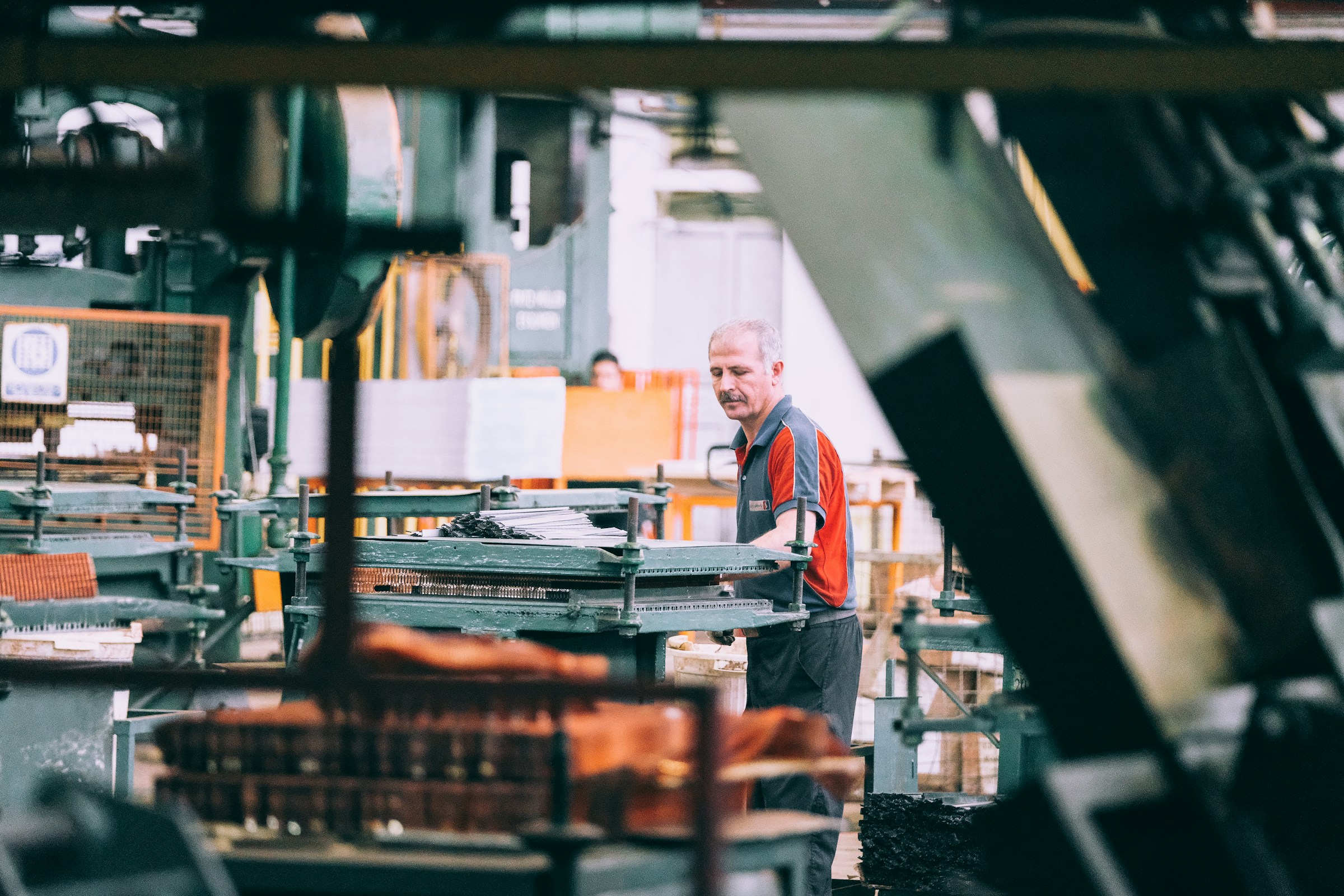
A worker at a press in a machine shop, surrounded by presses and tooling

Manufacturing

Machines, tools and forklifts share a hall that was laid out for a different product. The rules are known; what decides the outcome is what a hand does in the second a guard is open.

What is practised here in manufacturing

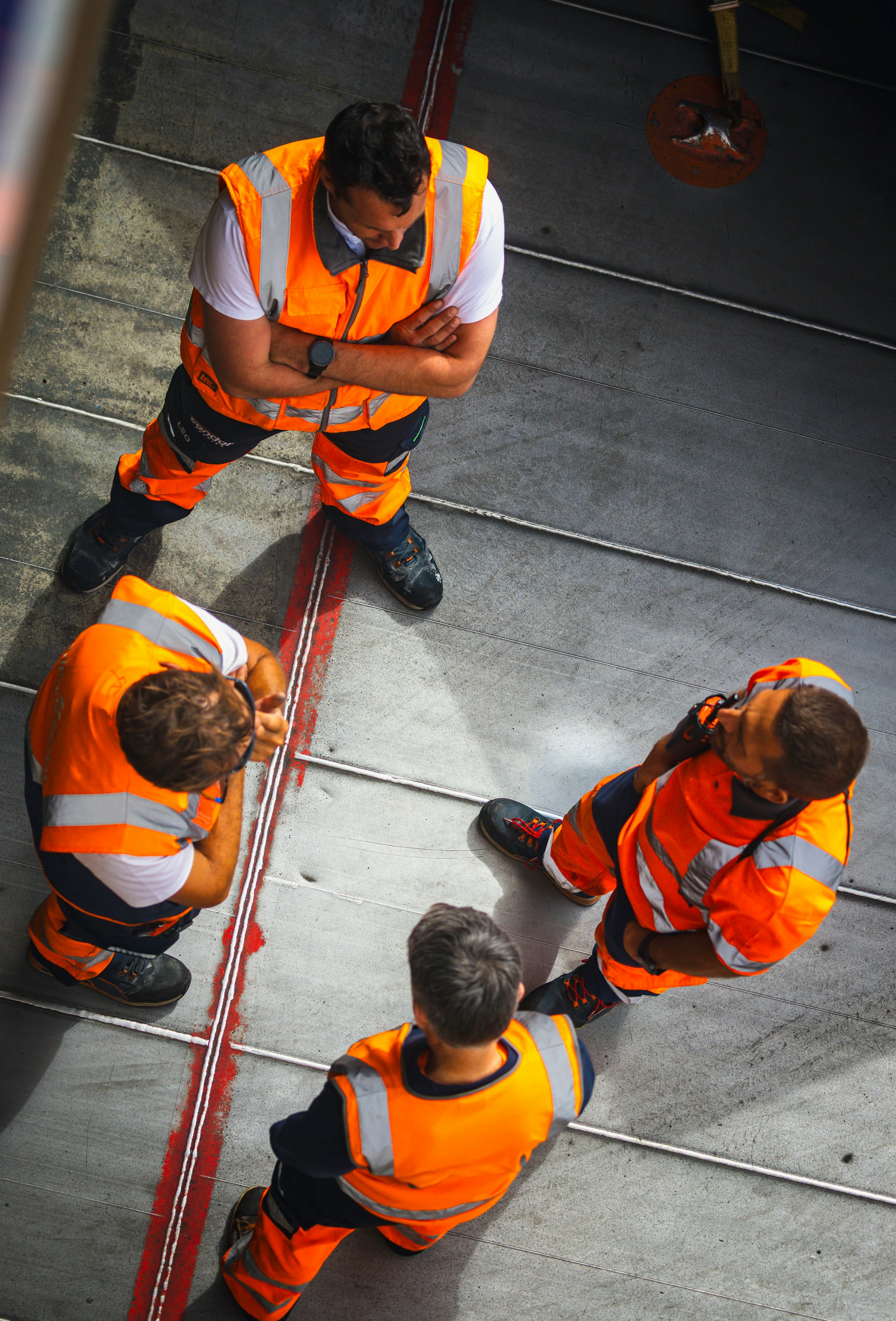
A group of workers in high-visibility clothing during a site briefing

Construction

Every week the site is a different one, and so is the hazard. Edges, openings and site traffic move with the build, faster than a briefing can keep up with them.

What is practised here in construction

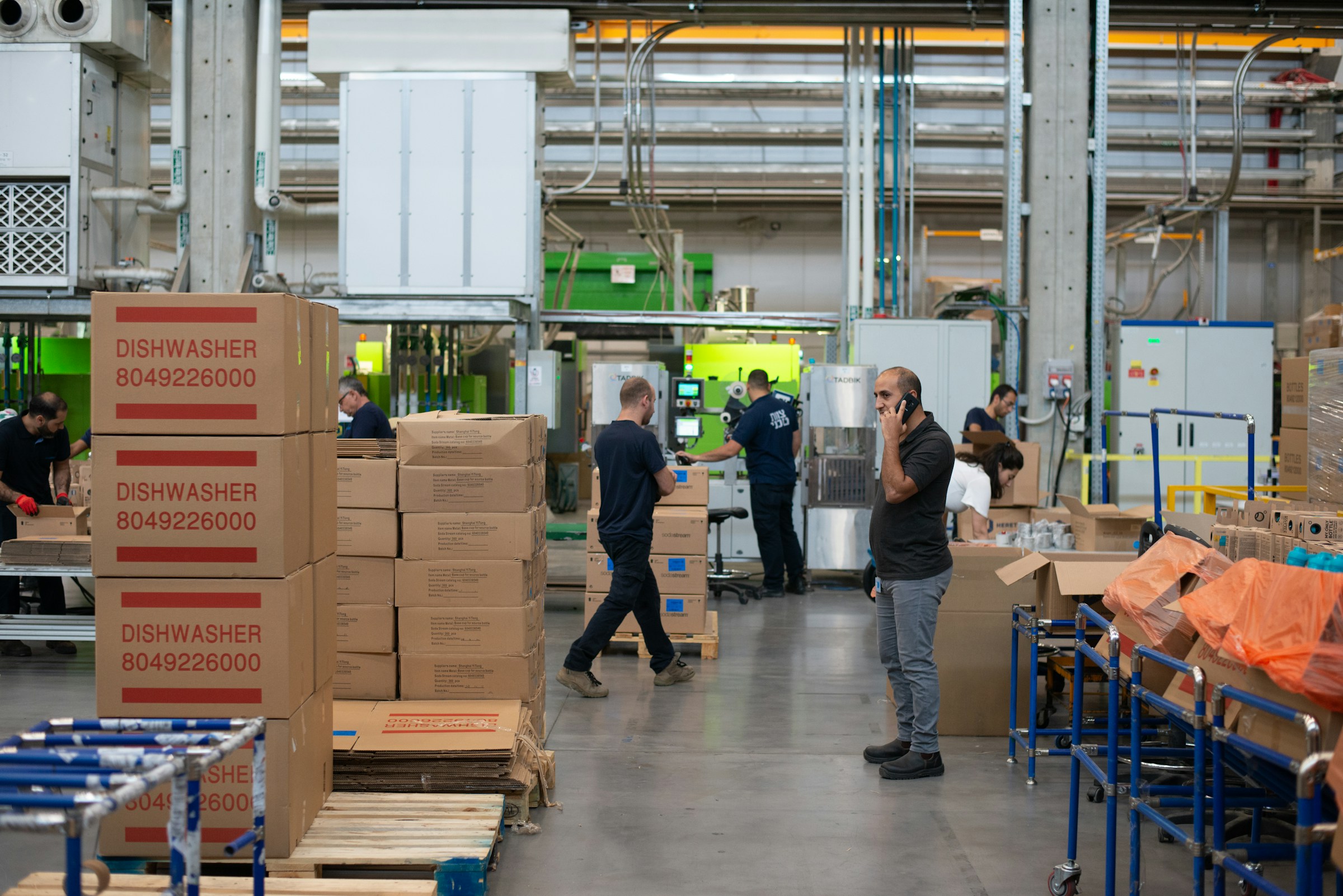
A production hall with cardboard boxes stacked on pallets, roll cages and people working at packing machines

Logistics

Loads get lifted, carried and set down all day, and the same aisle carries pedestrians and trucks. Most of what goes wrong here is ordinary, repeated a few hundred times a shift.

What is practised here in logistics

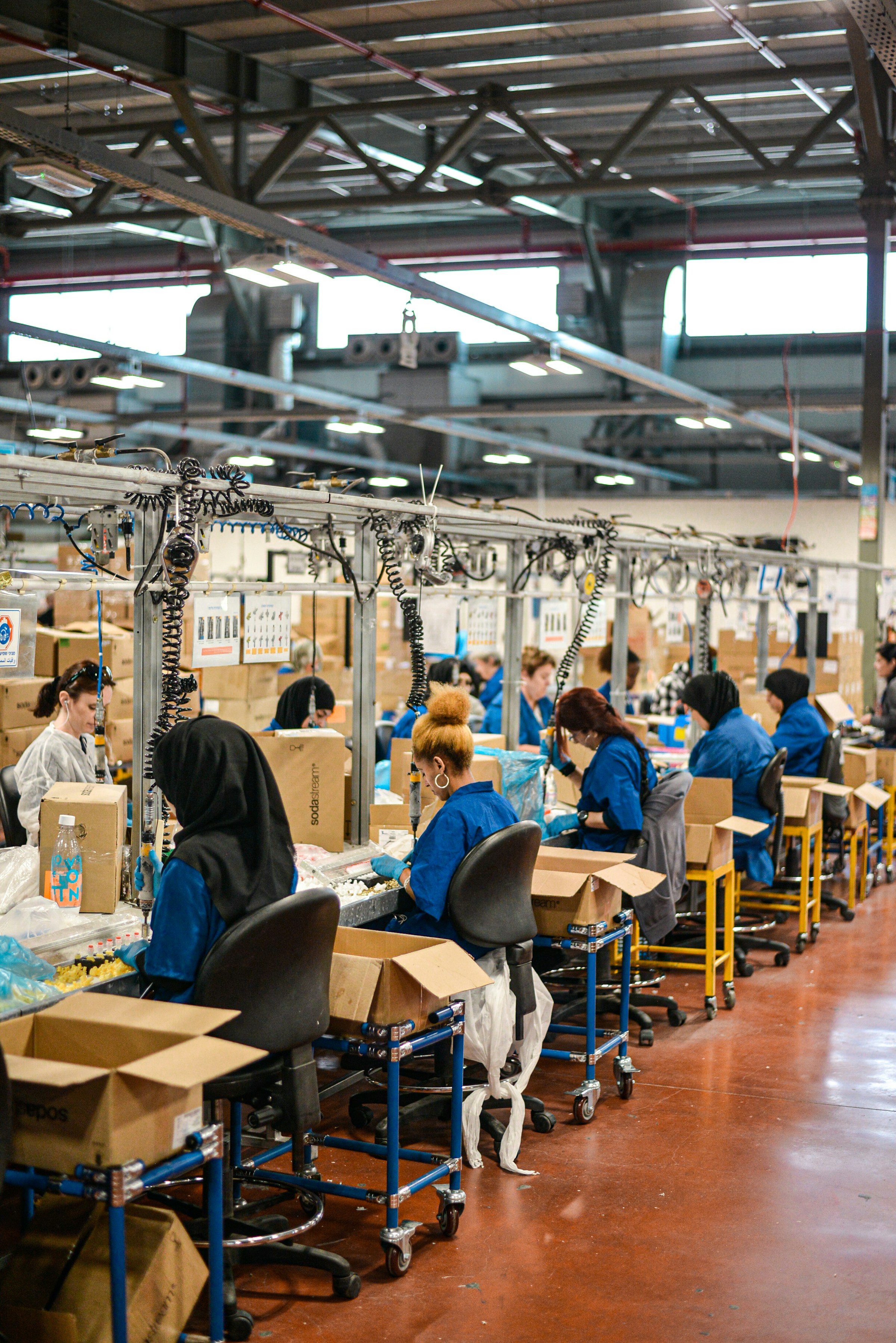
Workers at assembly benches along a production line in a factory hall

Energy

Isolating, switching and working above ground follow a fixed order of steps. The steps that decide the outcome come up rarely enough that almost nobody has done them twice.

What is practised here in energy

Training people still remember on the shop floor.

Every session is short and built around the situations that go wrong most often at work. People work through the safe steps first, in the setting they already know.

Four things you do not have to organise.

The training is one part. The rest is what usually decides whether it keeps running after the first month.

How a rollout runs

Three operations, three starting points

Each card names the situation a team works in and what makes it hard to train for.

Metal fabrication

600 employees, three sites

Forklifts and people use the same aisle

Between the press shop and the loading bay

The routes were marked when the hall was laid out, and the layout has changed since. Everyone knows the rule. The open question is what people do when a pallet stands in the marked lane.

See this situation: forklifts and people in the same aisle

Building contractor

40 crews, sites across the region

Every Monday the site is new

Crews of four to eight, briefed on the spot

A briefing that fits one site does not fit the next one. Site managers repeat the same points every week and still meet situations nobody has walked through before.

See this situation: changing sites, changing hazards

Grid operator

900 employees, two-person teams

Switching work rests on one order of steps

Substations and overhead lines

Isolation follows a fixed order, and new staff learn it while the work runs. The steps that decide the outcome come up rarely enough that almost nobody has practised them.

See this situation: isolation and switching work

A few of the situations, and where the rest are.

Every unit is one situation, from the first step to the last. The four below are examples; which ones a site works through comes out of its own risk assessment.

One situation, start to finish.

People move, look, reach and decide for themselves. What stays with them afterwards is the order of the actions, not a list of rules about them.

Nothing has to stop.

It runs at your own site, alongside the shift, and a team can go through the same one as often as it needs.

Nobody is graded.

No performance profile is built from a session. What is held is participation: who took part, in what, and when.

The rest of the library.

Every situation we train, sorted by the hazard it belongs to. Start from the ones your own assessment already names.

Four people at the table, four different questions

Bringing this in is rarely one person’s decision. Each card names who is involved and what they need answered before anything starts.

Safety officer

Runs the training plan

Who has done it, and who still has to

The list of people to train is long and most of them work shifts. What is missing is usually not the will to train, but a way to see the gaps without calling every foreman.

Build a shortlist

Management

Signs the agreement

What it replaces, not what it adds

Training already costs something today: travel, hours away from the line, sessions repeated for everyone who missed the first one. The question is which of that stays.

What is included

IT

Owns devices and records

What connects to what, and where the record goes

New equipment arrives and a new record of who did what comes with it. IT wants to know what it touches, where the attendance data is handed over, and who is called when a unit stops working.

What the record contains

Works council

Speaks for the people trained

What is recorded about each person

Attendance is a record about a named person. The questions are what is stored, who may read it, and whether anyone is ranked by it. They belong in the agreement, before the first session.

What we say no to

See one training end to end before you decide anything.

Bring the people who would have to run it: the safety officer, the works council, whoever plans the shifts. Most of their questions are easier to answer while the training is running.