Preventario Preventario

What comes with the training.

The equipment. A record of who trained on what. The handover into the files your company already keeps. And somebody on your floor for the first sessions. Four jobs that have to be done by someone — all four are ours, and all four are in the one agreement.

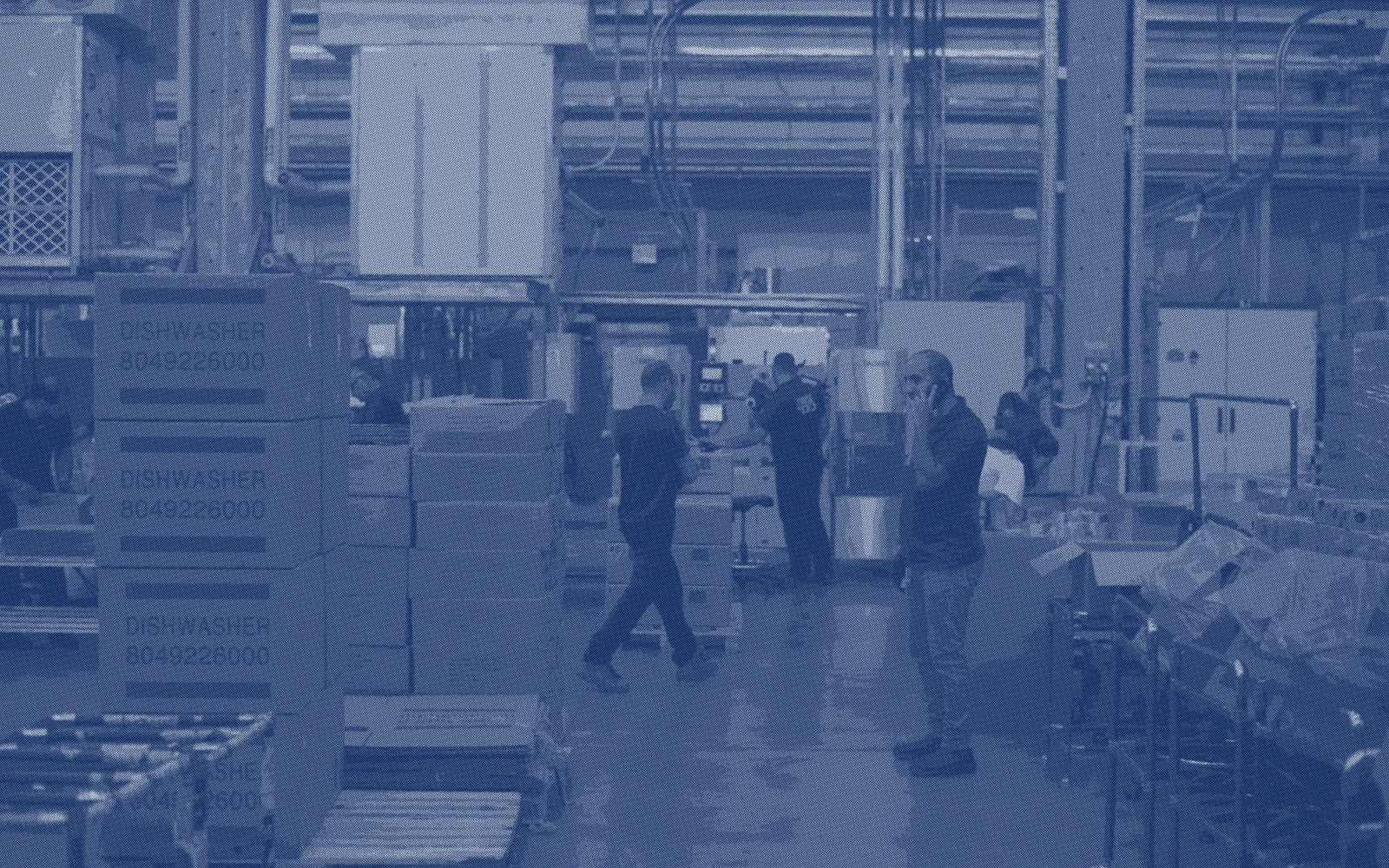
A crew on a plant floor pausing at a marked crossing while a load moves past

Four things nobody at your company has to take on

Each of them is work that would otherwise land on one person’s desk in the second month. Go straight to the one you came for.

None of the four is booked separately and none of them is an upgrade. Each section below ends on a page that goes through that one service in full.

A programme is decided in its second month.

The first month is easy. Everyone is interested, someone senior is watching, the first groups go through. Then the work turns up: a unit stops working, a second site is added, a new starter needs what the others already had, and somebody upstairs asks for a list.

In most companies all of that lands on one person, on top of the job they were already doing. That is where programmes quietly stop — not because the training failed, but because nobody had the hours. So the question worth asking is not what the training does. It is who does the rest.
The rest is ours, for as long as it runs.

Not only through the first month, and not as something you add later. The equipment, the record, the handover into your files and the first sessions at every site are in the same agreement as the training itself. There is no service contract sitting next to it and nothing here is billed by the visit.

What stays with you

Which hazards from your own risk assessment matter, which teams go first, and a slot in the shift for them. That is the whole of it. Nothing to install, nothing for your IT department to run, nothing to buy and nothing to keep on a shelf.

Nothing to buy, and nothing to look after

The equipment stays ours. It arrives set up, it is serviced on a schedule rather than on request, and a unit that fails is replaced.

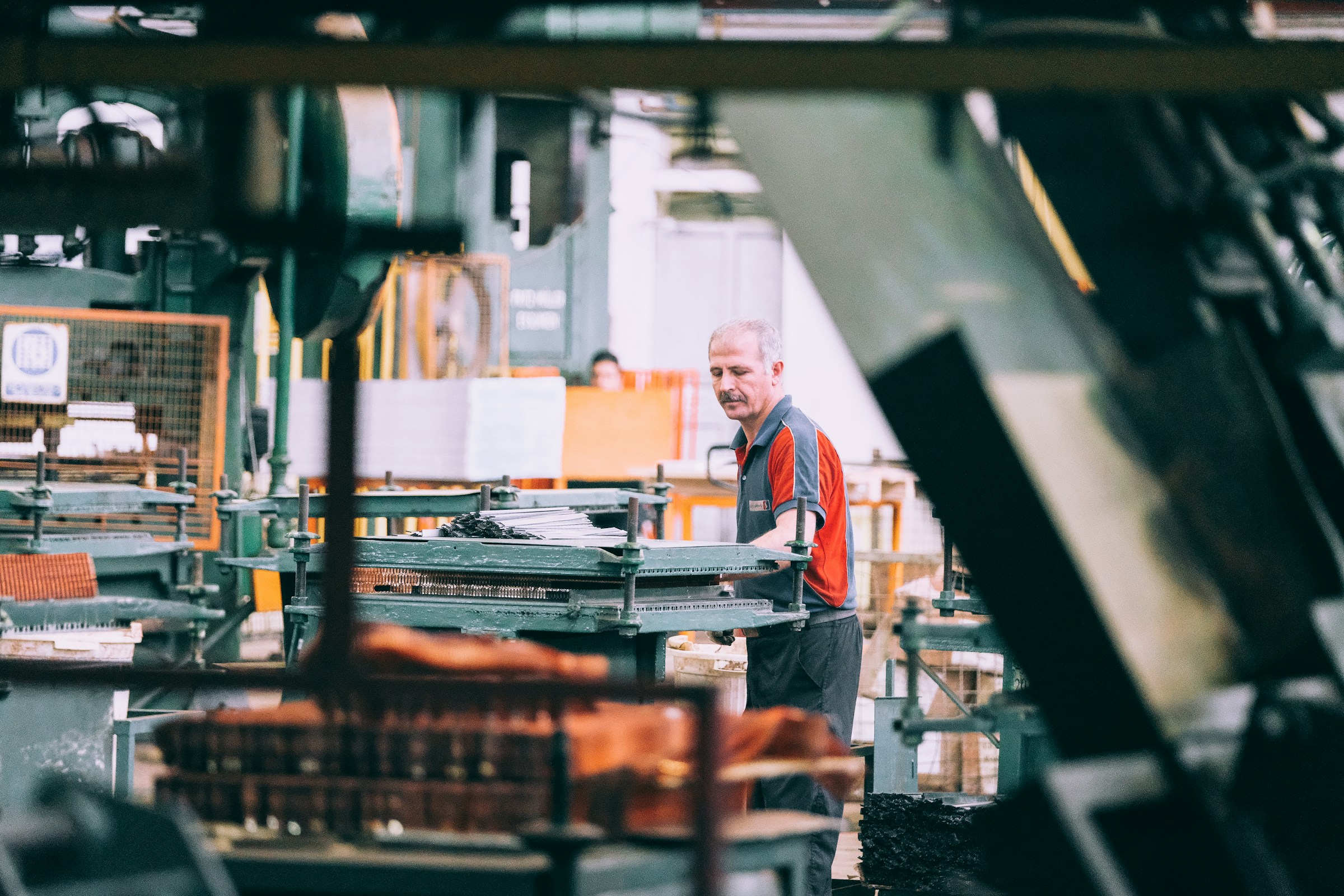
A worker in a high-visibility vest crossing a plant floor between marked lanes

On our side

  • Supplied and set up. It is there before the first group is, and it is ready to run.
  • Serviced on a schedule. Not when somebody notices something, and not on a ticket you have to raise.
  • Replaced when a unit fails. A fault is our problem. It is not a cancelled session and not a call-out for you to book.
  • Kept current. When the trainings you use change, what stands in the room changes with them.
  • Off your network. It does not sit on it, so it never becomes a ticket in your IT department.

On yours

  • A room, or a corner of one. Roughly the floor space of a parked pallet, with a wall to one side.
  • Somebody to say when. Which teams, and which slot in the shift suits them.

There is no purchase, nothing to depreciate, no store cupboard and no inventory line.

The same applies at the second site and the fifth. Adding a location adds equipment on our side, not a purchase order on yours.

Equipment service in full

The record goes where your files already are

Anything that keeps its own list is something a person has to keep current. So the training record does not get one. It is handed into what you already run.

Four kinds of system take it well. If you run something like one of these, that is where it would land — and which one it is stays your decision. We ask about it once, before anything starts.

Personnel administration

Where a person’s file sits: start date, role, the qualifications they hold. The training belongs in that file and nowhere else.

For example Kernwerk HR

Arrives as one line per person per training, next to the rest of that person’s record.

A learning platform

Where courses, completions and refresher dates are already tracked, usually by whoever runs training for the whole company.

For example Lernbahn

Arrives as a completion, so the refresher dates you calculate today keep being calculated the same way.

Health and safety software

Where the risk assessment lives, along with the instruction dates and the accident reports. This is the one your safety specialist opens most often.

For example Sicura Arbeitsschutz

Arrives filed against the hazard it belongs to, so a hazard and what was practised for it sit on one screen.

Time recording

Where shifts and hours are booked. Worth connecting for one reason: a session is time at work, and it should not look like a gap somebody has to explain.

For example Taktzeit

Arrives as booked time against the shift it happened in, per person.

One of the four is usually enough, and most companies pick the one their safety specialist already lives in. Where you would rather keep it separate, the export stands on its own: a file you can open, keep and pass on.

System integration in full

Where it changes hands

The first three stations run without anybody doing anything. The fourth is where the record leaves us and becomes part of what your company keeps.

Two people going through a printed list at the edge of a working area
  1. 1

    A session is finished

    Somebody works a situation through to the end. That is the event everything after it refers back to.

  2. 2

    It is written down

    As it ends, not typed up afterwards. That is why the list is current at any hour of any day.

  3. 3

    It is handed over

    In the shape your records take, on the rhythm you name. That shape is agreed once, at the start, and does not change again.

  4. 4

    It is yours

    From here it sits where that person’s other records sit. Nobody has to open anything new to find it.

The first three stations are the same for every session and every site. The fourth follows whatever your own filing already does.

What is on record, field by field

It is short on purpose. Every field below is agreed in writing before anybody takes part, and nothing outside the list is kept.

Person
The name of whoever took part, written the way it is written in your own records, so the two lists line up without anybody matching them by hand.
One line per person.
Training
Which one it was, by its title. Not a mark, not a rank, and not how long anybody took over any part of it.
The title, and nothing under it.
Date
The day it was completed, written as it happens. There is no update step between a session ending and the line appearing.
Current to the last session that ended.
Site
Where it happened. A company with four locations can read four lists or one, and a supervisor can be given their area only.
Per site, or all of them at once.
Completed, or not
Whether the training was worked through to the end. Someone who stopped halfway is simply not finished, and can go again.
Yes or no. No grade in between.
What is not in it
How a person moved, how often they hesitated, how long they stood still, how they compare to the next person. None of that is recorded, so none of it can be asked for later either.
Not kept, and therefore not available.

The same six fields at every site and for every training. Nobody keeps an attendance list by hand, and nobody types anything up on a Friday.

Reporting in full

When somebody asks to see it

Three people ask, for three different reasons. Each of them gets the same list, cut to what they asked about, and none of them has to wait for it to be put together.

A supervisor and a worker looking through paperwork beside a workbench
A supervisor asks about their own area
Who in that team has worked through which training, and on which day. It is current up to the last session that ended, because there is no step between the session and the line.
Their area, that morning.
The works council asks what is held
The six fields in full, in writing, before anybody takes part. What is not kept stands on the same page as what is, and that page is what everything later refers back to.
Before the first session.
A request comes in from outside
The list for the site and the period they name: person, training, date. Nothing is assembled after the fact, because every line was written on the day it happened.
Named, dated, exported.

What is on record is the training your teams worked through: who, on what, and when. The safety instruction you are required to give stays yours to run and to document, and this is filed next to it, in the same place.

How a session runs

We stay until you do not need us

The first sessions run on your floor with one of our people in the room, and they keep running that way until your own staff can take a group through alone. The point of this one is that it ends.

Two workers in high-visibility vests going through a checklist on a workshop floor
  1. Agree who goes first

    One area, one shift, one group. Usually the team whose hazard sits at the top of your own risk assessment, because that is the one people will talk about afterwards.

    You choose, we plan around the shift

  2. We run the first ones

    Our person is in the room with the group and with whoever you want to take it over. Nothing has to stop for it: groups go in between shifts, a few at a time, while the rest of the line keeps running.

    What we bring
    The equipment, set up, and the person who runs it.
    What you bring
    A group, and whoever is meant to run it later.

    Us, on your floor

  3. Your people take over

    They run a group while we watch, then one without us. There is no date set for this beforehand. It happens when they are ready, and they are the ones who say so.

    Your staff, us in the room

  4. We stop coming

    After that we are there for the equipment, for the record, and for the next site when you open one. Not for the sessions. Those are yours now.

    You run them

The order does not change with the size of the plant. What changes is how many groups sit between the second step and the third — and a second site starts at step one again, without starting the decision again.

Rollout support in full

What the four add up to

Four numbers about the offer, not about accidents. Each one is something you no longer have to arrange, buy or chase.

  1. 0

    Units your company buys

    Nothing is purchased, nothing is depreciated, and nothing sits on a shelf between sessions waiting for somebody to look after it.

  2. 1

    Place the record lives

    The file you already keep. There is no second list to look in and no second list for anybody to keep current.

  3. 24 h

    From a request to a file in hand

    When somebody names a site and a period, the list for it is with you inside one working day. Usually the same morning.

  4. 4

    Services, one agreement

    No separate service contract, no support level to choose, and nothing on this page that is billed by the visit.

There is a fifth number that is deliberately missing: how often a team may repeat a training. There is no limit on it, so there is nothing to count.

See the training library

Ask what it would take at your site.

Bring the people who would have to live with it: whoever runs safety, whoever plans the shifts, and whoever keeps the personnel files. Most of the questions on this page are faster to answer with all three in the room.

What a room needs
About the floor space of a parked pallet
What is recorded
Six fields, agreed in writing beforehand
What your IT does
One conversation about the handover, once

Nobody signs for the equipment service.

It is what they bring up a year later, when somebody asks them how it is going. Three of them, in three different roles.

A shift change on a plant floor, two teams passing each other at a marked walkway
“A unit failed on a Tuesday. There was a replacement on Thursday, and I only found out because somebody mentioned it in passing. I had not arranged anything.”
Ines Roth, safety specialist, Meinhardt Stahlwerke
“I came in expecting a second list to keep. There is no second list. It arrives in the file I already had open, and that was the end of my objection.”
Bernd Faller, personnel administration, Kessler Logistik
“They were here for the first three weeks and then they were not. That was the deal and they kept it. My own people run it now, and nothing about that was a fight.”
Marlen Prieß, plant manager, Trebbin Antriebstechnik

Safety teams at

MEINHARDT STAHLWERKE Kessler Logistik SALZACH ENERGIE TREBBIN Antriebstechnik Reimann Tiefbau FISCHBACH KRANBAU
Prüfsiegel Arbeitsmittel 2026
Every unit in service is inspected once a year, and the certificate travels with it.
Praxispreis Arbeitssicherheit 2026
Awarded for training that teams repeat without being told to.

All of it is one agreement.

There is no service contract next to the training, no support level to pick, and no line that appears on an invoice because somebody came out to a site. What you agree once is what runs.

Per training, per year
€499
Per person, per year
€2.39

Everything on this page sits inside those two lines. The number of repeats does not appear in them, because there is no limit on it.

What the one agreement covers

  • The trainings you pick, for the people you pick them for
  • The equipment, supplied, serviced and replaced
  • The record, and its export whenever somebody asks
  • The handover into the file you already keep
  • The first sessions at every site you open
  • As many repeats as a team wants

You already have somewhere that training is written down, and a process that puts it there. Neither of them moves. The safety instruction you are required to give stays yours to run and to document; this is filed beside it, in the same place, by the same people.

Where to look next

This page is the half nobody asks about before they sign. These three are the half they do.

The training library

Every training, with the hazard it covers and how long a team spends on it. Start here if you are still deciding what to run.

Your industry

What the hazards look like in manufacturing, construction, logistics and energy, and which trainings each one usually starts with.

How a session runs

What a team does in one session, how long it takes, what your site provides, and what is on record afterwards.

The questions that come in the second month

Not what the training does, but who has to act when something changes: a unit fails, a site is added, a team turns over. Where the answer is nobody on your side, it says so.

Your question is not here

Write it in your own words. You get an answer in writing that you can pass on inside your company, to the works council or to whoever signs. We answer in English and German.

questions@preventario.example

Before it starts

Do we have to buy anything?

No. The equipment comes with the agreement and stays ours. There is nothing to purchase, nothing to depreciate, and nothing to find shelf space for between sessions.

What does our IT department have to do?

Nothing to install and nothing to run. The equipment does not sit on your network. The one point where they are involved at all is agreeing the shape of the handover into the file you already keep, and that is one conversation at the start, not a project.

We cannot stop the line. How does this fit into a shift?

Nothing stops. People go a few at a time, between shifts or during a changeover, while the rest of the team carries on. A session is short enough that a group is back before anyone has to cover for them, and it happens at your site, so nobody travels.

Once it is running

A unit stops working on a Monday. What happens?

It is replaced. You do not book a call-out, raise a ticket or find a budget line for it, and there is no excess to argue about. The equipment is ours, so a fault is ours.

We open a second site. What changes?

The first sessions there run the way the first sessions here did, with one of our people in the room until the local team can take a group through alone. The record simply gains a site, so the lists stay readable one location at a time or all at once.

People leave and people start. Who keeps that current?

Whoever keeps your personnel files, the way they do today. Because the training record lands in that file rather than beside it, a starter is a starter once and a leaver is a leaver once. Nobody maintains a second list of names.

The only part left is the arithmetic for your site.

How many locations, how many shifts, which team goes first, and who at your company is meant to end up running it. Bring those four and we can tell you what the first six months look like, week by week.