Preventario Preventario

It arrives, it is looked after, it goes back.

The equipment stays ours for the whole time you have it. This page says what is actually at your site, who cleans it, who deals with it the day it stops working, and what is left behind when you are done — which is nothing.

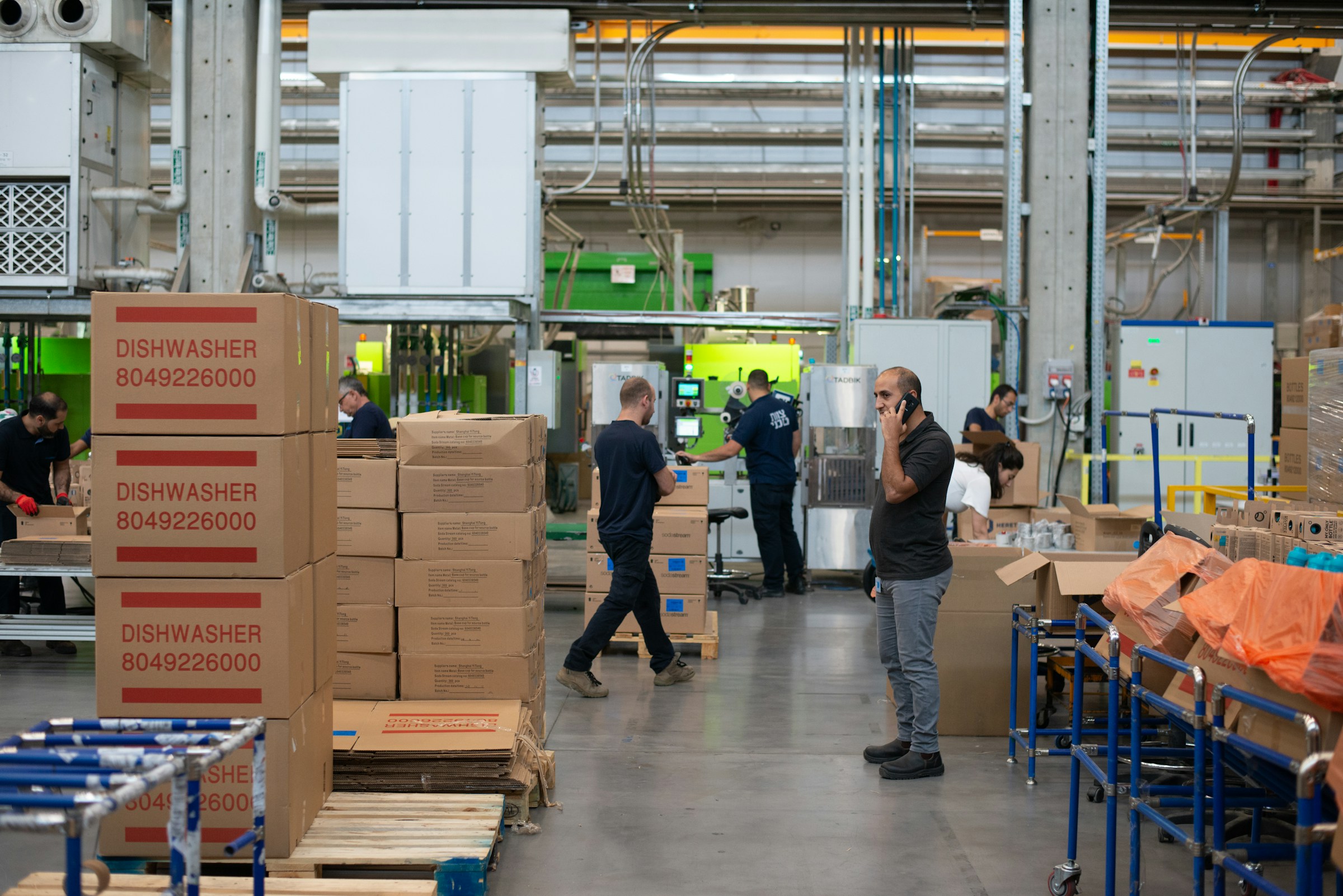
A crew setting up on a plant floor before a session starts

What is actually at your site

Not much, and none of it is yours. These are all the points at which it touches your building, your people or your books.

Space
A room you already have, for the hours a session runs in it. Nothing is fixed to a wall or bolted to a floor, so the room is still a room for everything else the rest of the week.
Between sessions
It stays in the case it came in, wherever you decided to put that case. Nobody signs it out, nobody accounts for where it went, and nobody has to clear a shelf for it.
Cleaning
Wiped down between people, as part of running the session and with what is in the case. Nobody orders supplies for it, and nobody ends up on a cleaning rota because of it.
A fault
Told to us in a sentence by whoever was running the session. There is no form to fill in, no ticket to raise and no approval to get before somebody on our side starts dealing with it.
Wear
Anything that wears out is swapped before it becomes your problem. That runs on a rhythm we keep, not on one somebody at your site has to track, and it does not need a session to be cancelled for it.
Your books
Nothing is bought, so nothing appears on an inventory, nothing is written down over five years, and nothing has to be counted by whoever counts things at the end of the year.

That is the whole of it. Everything else about the equipment happens somewhere you never have to look.
The day something stops working

Three ways it goes wrong. In none of them is there a decision for somebody at your site to make.

It stops in the middle of a session
The group carries on with the rest of what is in the room, and whoever was interrupted goes again later the same day. A team that has been taken off the floor does not go back having done nothing.
Nobody loses their slot.
It stops between two sessions
A replacement is on the way before the next date in your plan, and what failed goes back the way it came. Nothing is repaired at your site, so nobody is waiting on a visit that has to be booked.
No call-out to approve, no cost to sign off.
It stops a second time
Then it does not come back at all. Something that has gone wrong twice is ours to take out of use, and that decision is made on our side without anybody at your site having to argue for it.
Out of use, and not your conversation.

The one thing a fault can cost you is the half hour a group was already going to spend. It never costs you a purchase, an approval or a conversation with a supplier, because the thing that failed was never yours.

How a session runs

Nothing is bought, so nothing is yours to keep alive.

Equipment a company owns needs somebody to own it as well: a person who knows where it is, notices that it has stopped working, gets a quote, and waits for a signature. In most companies that person is already doing three other jobs, and this becomes the fourth.

Here that person does not exist on your side, because the thing they would be looking after is not yours. It is supplied for as long as the agreement runs and it stays ours the whole time.

A fault is our problem, not a cancelled session.

Nobody at your site approves a repair, waits for a quote, or explains to a shift supervisor why the group they just released cannot train after all. Replacement is part of the agreement, so the date in the plan stays the date in the plan.

When you stop, it leaves.

It goes back the way it came, and there is nothing at your site to dispose of, write off or find a corner for. What stays with you is the record of who trained on what — and that was in your own files from the first entry onwards.

Bring the person who would have ended up looking after it.

Whoever finds space for things, whoever gets called when something has stopped working, and whoever signs off what the company owns. We go through what actually turns up at your site and what each of them would have to do about it.

What is at your site
A room, for the hours a session runs
Who looks after it
We do, cleaning and replacement included
What reaches your books
Nothing bought, nothing stored, nothing written off