Preventario Preventario

A team should meet the danger for the second time.

Preventario builds safety training that people work through instead of sit through. It is the only thing this company has done since 2016, and this page says where that came from and how far it goes.

A crew on a plant floor pausing at a marked crossing while a load moves past

Safety teams at

MEINHARDT STAHLWERKE Kessler Logistik SALZACH ENERGIE TREBBIN Antriebstechnik Reimann Tiefbau FISCHBACH KRANBAU

Knowing what to do is not the same as doing it.

That sentence is not a slogan we arrived at. It is the finding of an accident report, and reading it is the reason this company exists at all.

Every company we work with already teaches the rules. They are explained, they are understood, and they are signed for. What is missing is the part where somebody has actually done the thing before the day it counts — because in a dangerous moment people fall back on what their hands have done, not on what they were told.

So we build one thing: the chance to do it first, and to do it again. Everything else on this page follows from that decision.

It started with a man who knew the rule by heart.

Most companies tell the story of an opportunity they saw. Ours begins with an accident report from 2015.

A maintenance fitter was hurt at a press he had worked at for nine years. In the interview afterwards he gave the correct procedure twice, word for word, without hesitating. He had never been wrong about it. He had simply never carried it out while it mattered.

The safety specialist who wrote that report is one of the two people who founded this company a year later. Everything since has been an answer to the same question: how does a team get to do the dangerous thing once, before the day it happens for real?

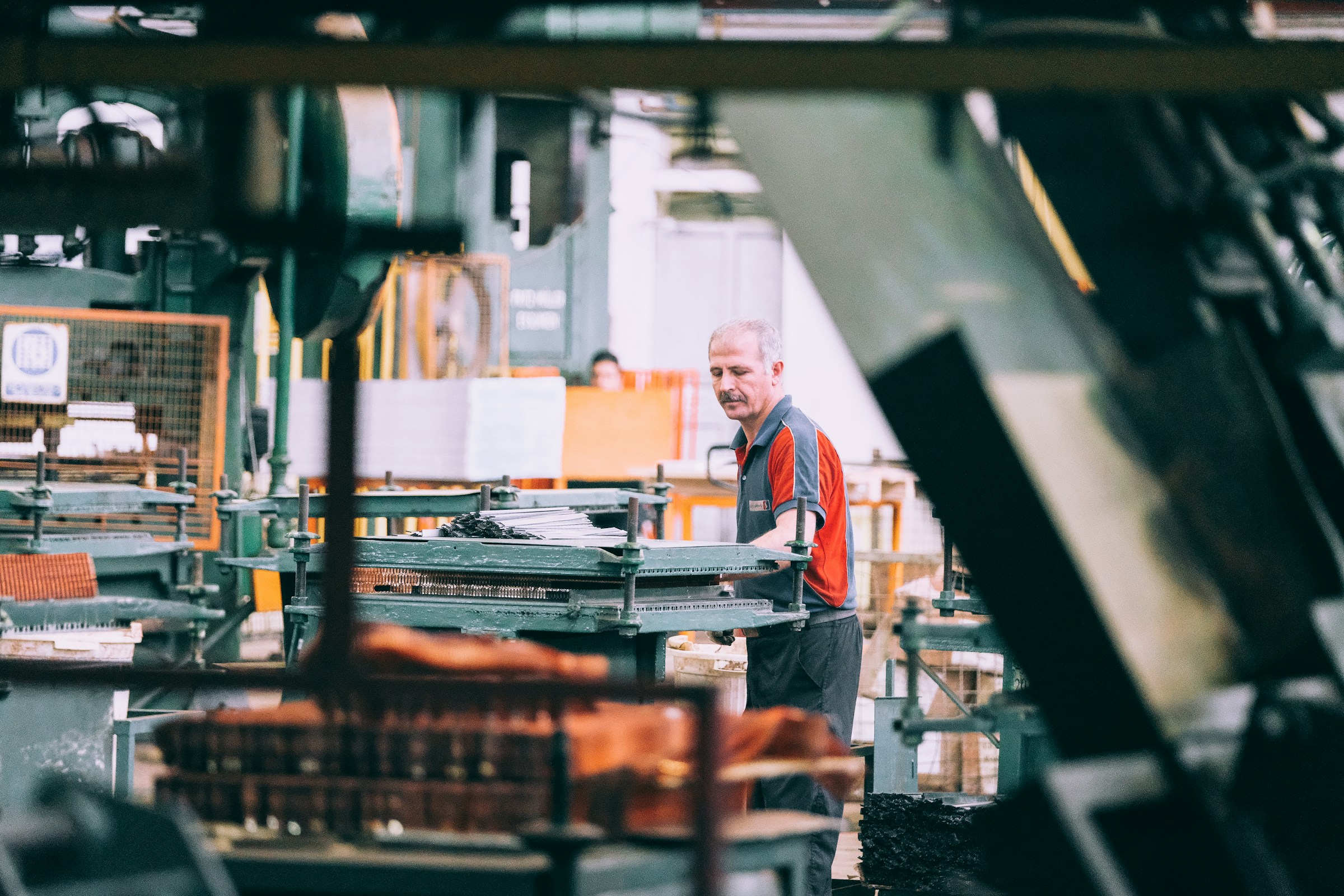
Two workers in high-visibility vests going through a checklist on a workshop floor
  1. 2016

    Two people, one topic

    Founded in Bochum by a safety specialist and a training designer. One topic to begin with: what happens at a machine when the guard is off.

  2. 2017

    The first full programme

    Sixty people in one hall at Meinhardt Stahlwerke, two at a time, between shifts. Nothing in the hall stopped for it. That is still how a session runs.

  3. 2019

    A decision that cost us money

    We stopped selling equipment. Since then we bring it, service it and replace it. Companies that buy their own end up with a cupboard nobody opens after the second year.

  4. 2021

    The method got its rule

    Every programme starts from the risk assessment the company already keeps. Before that we had sold trainings from a catalogue, and a catalogue does not know your building.

  5. 2023

    Four industries, one record

    Manufacturing, construction, logistics and energy, and a record of every completed unit that leaves us as a file the company keeps.

  6. Today

    Where that leaves us

    Thirty-eight people, two offices, and teams on site across Germany, Austria and Switzerland. The question has not changed since the first hall.

Why we are the ones who can build this

A training about a loading bay is only worth running if the person who wrote it has stood in one. That is the rule we hire by.

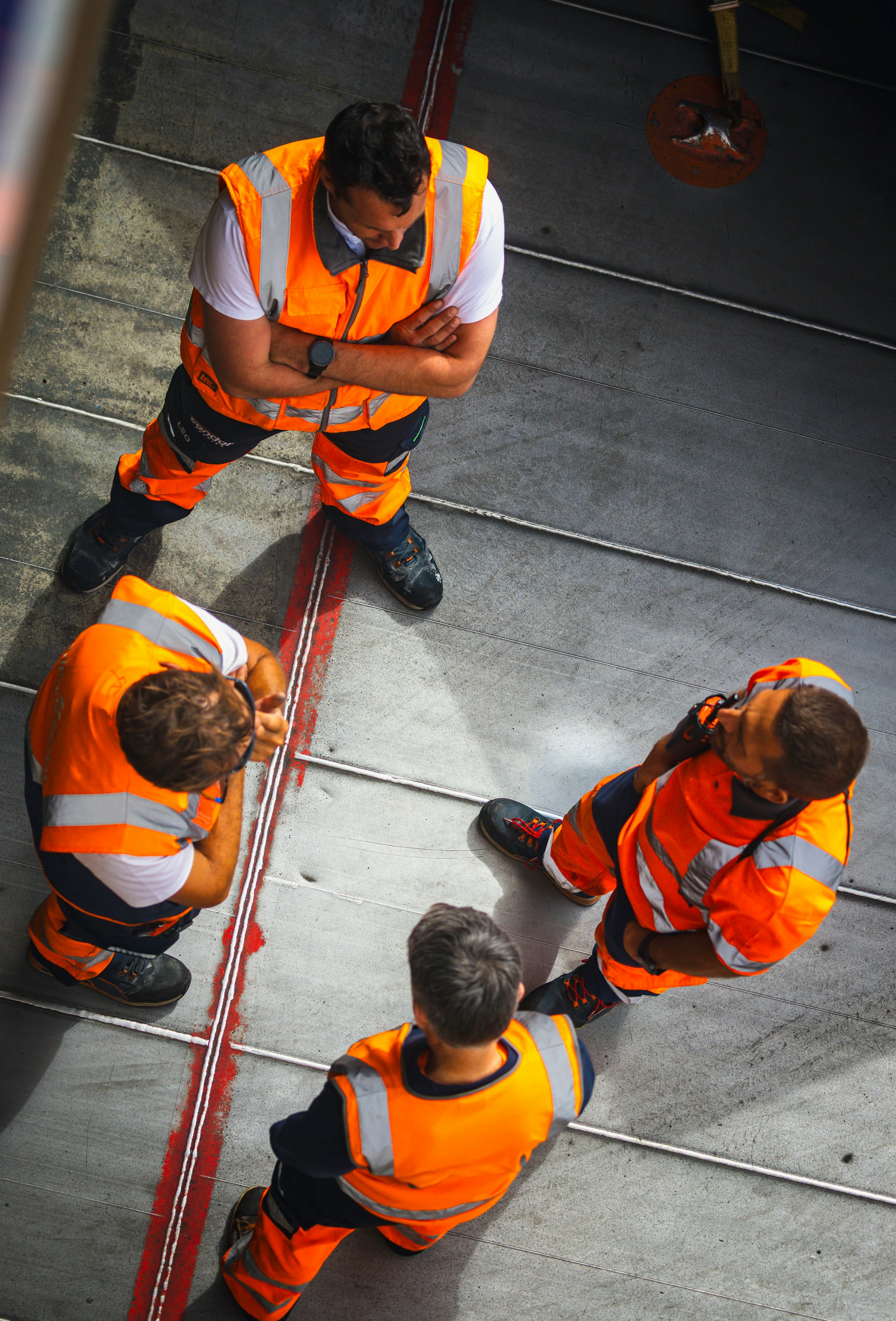
Four workers in high-visibility vests standing in a circle on a marked concrete floor, seen from above

The people who write a training have done the work in it.

Safety specialists who spent years in a plant before they came here, and trainers who taught machine operators for a living. Not one topic is written from a standard alone — somebody walks the floor it belongs to first, watches the shift, and asks the people doing it what actually goes wrong.

That is also why we say no to topics. If nobody here has stood in that situation, we do not build it.
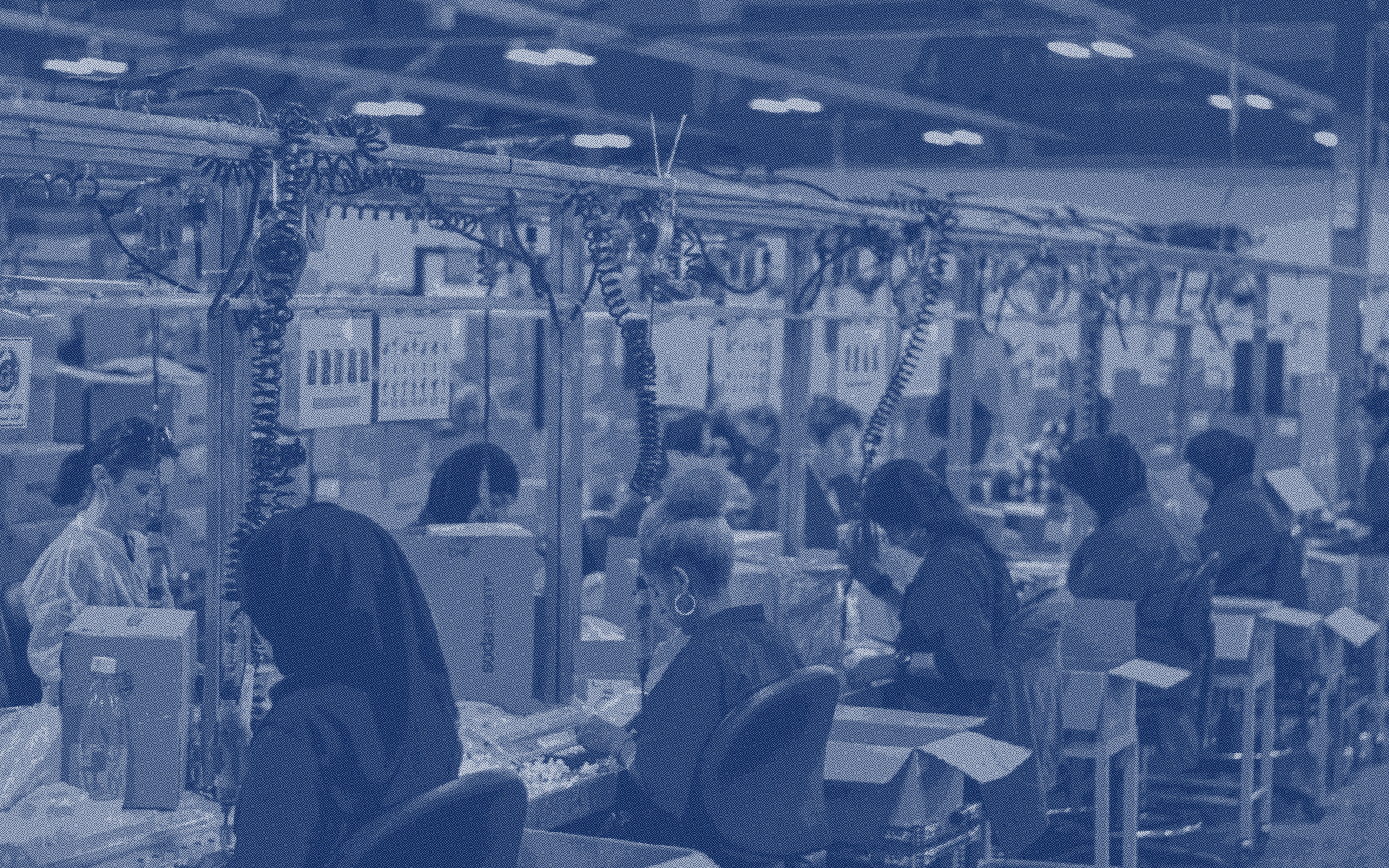
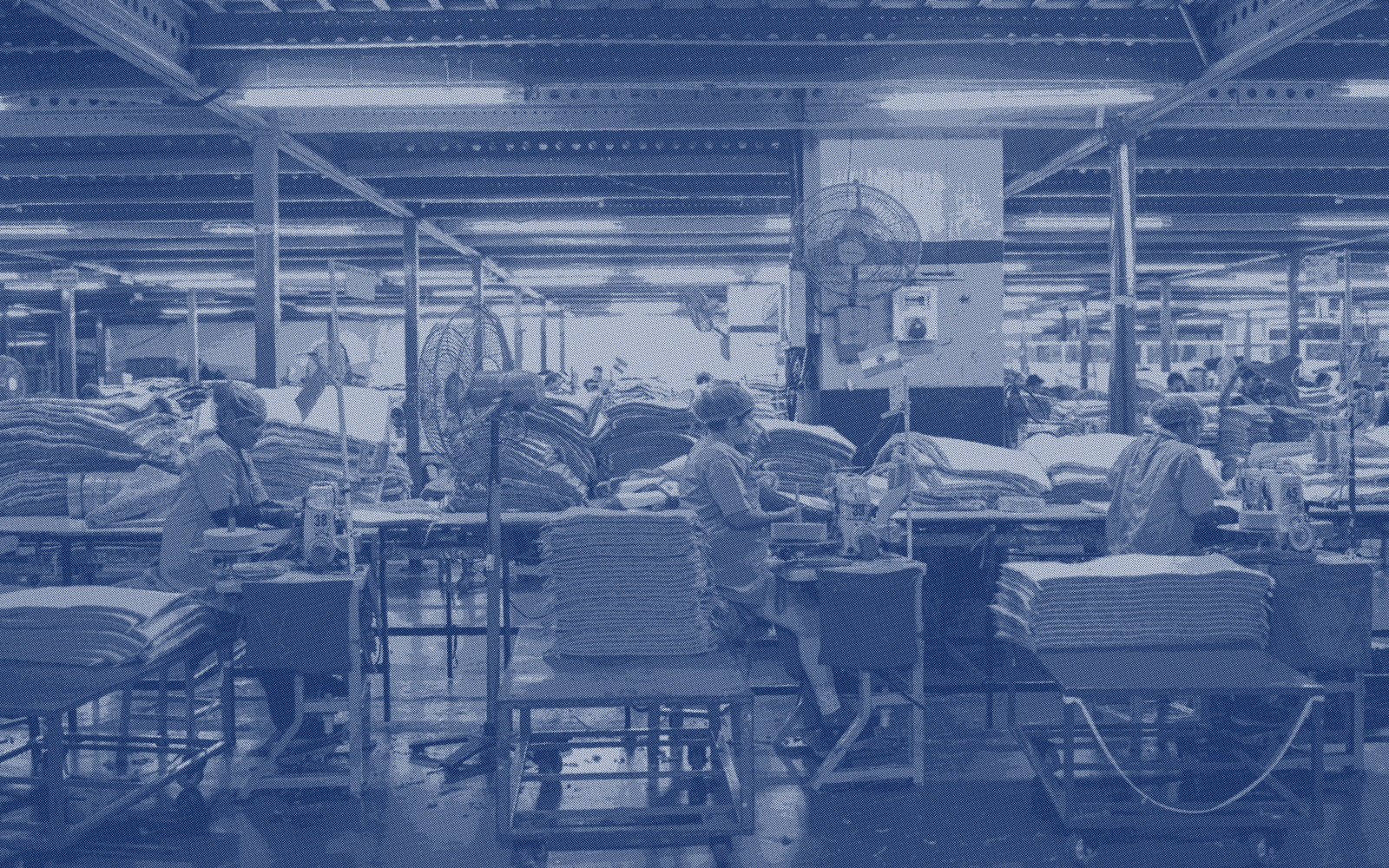
Your assessment decides, not our catalogue.

We go through the risk assessment your company already keeps and take the hazards it names. What is not in your work does not get trained.

A topic is reviewed while it is being used.

Every training is walked through again with the safety specialist of the site that runs it, once a year. What people get wrong in practice changes the training, not the other way round.

Listed provider
Entered in the register of workplace training providers, renewed each year.
Method audit
How a training is built and reviewed is examined annually by an industry association we belong to.
Equipment inspection
Every unit we bring on site is inspected twice a year by an independent test house.

The whole company in four figures

None of these are accident statistics. They describe what you would be buying: how long we have done this, how much of it there is, and how long one run takes.

2016

Doing this, and nothing else

The year the first session ran in a working hall.

24

Trainings running today

Each one built for a hazard that a risk assessment actually names.

5–60

Minutes for one run

Short enough to fit between two shifts, and repeatable the same morning.

4

Industries we build for

Manufacturing, construction, logistics and energy, in Germany, Austria and Switzerland.

If you would rather see the goods than read about the company:

See every training and its running time How a session runs

Everyone on the floor should have done it once already.

That is the whole of it. Not that people know the rule — they mostly do. That the first time a person reaches for the right move is not the time it decides whether they go home.

A signature proves that somebody was present. Nothing else about a yearly instruction tells you what a team would actually do at eleven on a Tuesday, when the load shifts and there are four seconds to decide.

And nothing stands still while it happens.

This only works if it costs a company nothing to let it work. People go in two at a time, between shifts, in a room the site already has. No line stops, no week is blocked out, nobody travels. A mission that needs the plant to halt is not a mission, it is a request.

Which is why repetition is the point.

In real work a serious situation can be rehearsed only rarely, and it costs something every time it is. Here a team can run the same one again the same morning, and again a year later, as often as it takes for the right move to be the first one.

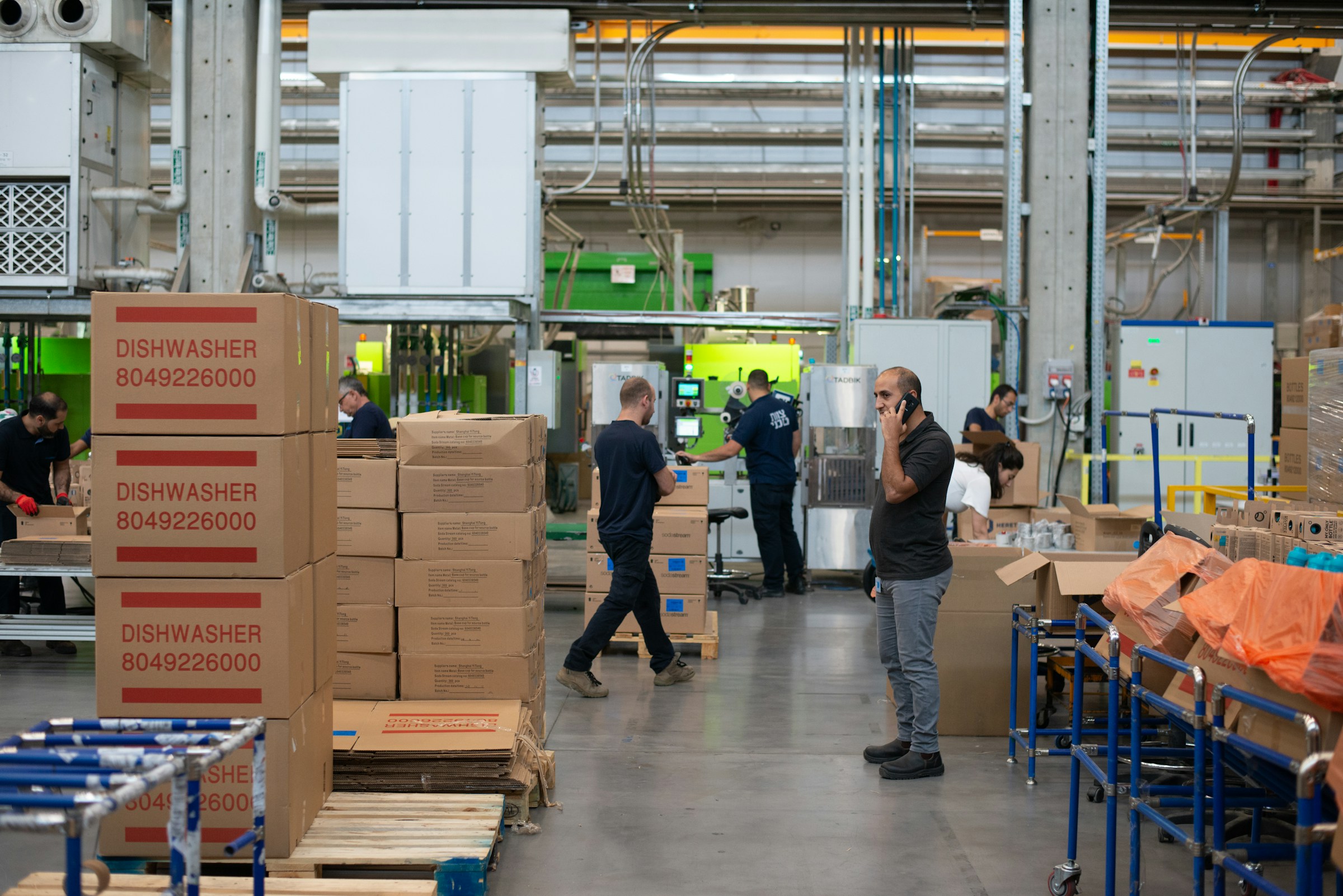
A shift changing over on a plant floor, one group walking out as another walks in

How we work, in four habits

These are the four things our own people do every time. None of them is something your company has to organise.

  1. 01

    We read your assessment before we offer anything

    The document already names the hazards in your building, area by area. Anyone who offers a programme without reading it is selling a catalogue.

  2. 02

    We walk the floor it is about

    Somebody comes out, watches a shift and asks the people doing the work what actually goes wrong. That hour decides more about a training than the writing does.

  3. 03

    We run the first sessions ourselves

    Our people are on site until yours run it without us. Nobody at your company gets handed equipment and a manual and wished good luck.

  4. 04

    We come back and look at the record

    Who trained what, and which situations people keep getting wrong. That is what the next round is picked from, and what changes the training itself.

After the fourth habit it starts again at the first: an assessment changes when the work changes, and the programme follows it.

What a team does in one session
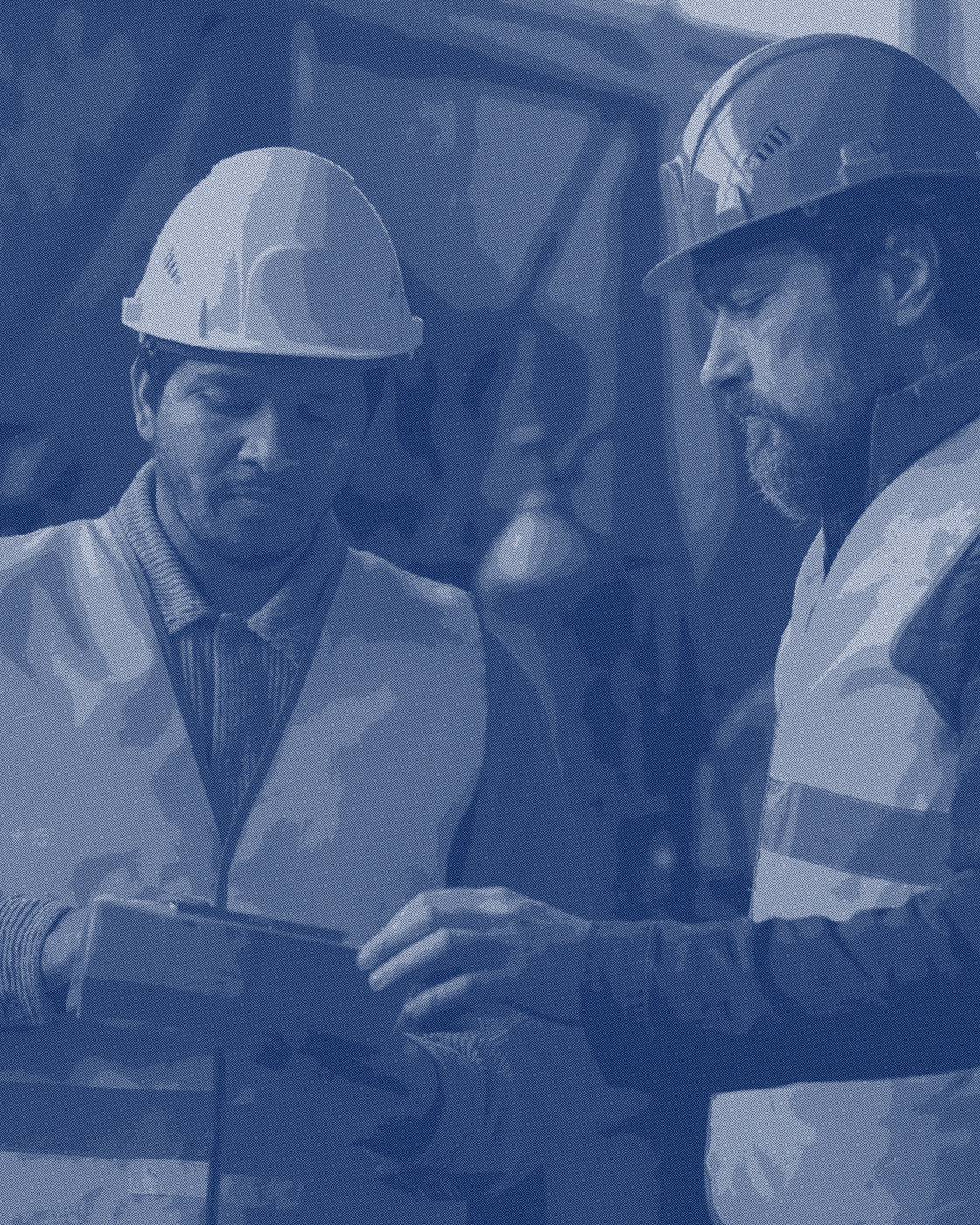
A supervisor and a fitter looking at the same machine from opposite sides during a shift

Six things we will not do

You will have to defend this decision inside your own company, so you should know where it ends before you start. Everything on the left is something we could sell and do not. Everything on the right is what stands in its place.

  • What we do not do We do not replace the safety instruction you are required to give.

    What stands in its place Your instruction stays yours to hold and to document. We train the situations it names, and what people worked through is filed next to it.

  • What we do not do We do not sell you equipment.

    What stands in its place We bring it, service it and replace it when it wears out. Nothing to buy, nothing to store, nothing in a cupboard that nobody opens after the second year.

  • What we do not do We do not grade the people who take part.

    What stands in its place The record says that a training was completed, by whom and when. How one person got through it is not recorded at all, so it cannot be asked for later either.

  • What we do not do We do not build a training for a hazard your work does not contain.

    What stands in its place The hazards come out of your own risk assessment. A programme that trains everything trains nothing, and people notice within the first ten minutes.

  • What we do not do We do not deliver a programme and leave.

    What stands in its place Our people run the first sessions on site, and we come back to the record with the safety specialist once a year to see what the next round should be.

  • What we do not do We do not promise you a number for accidents.

    What stands in its place We can tell you exactly what a team practised, how often, and when. Anyone who offers you the other number is guessing with your budget.

The same limit applies to who we work with: companies of roughly 200 to 2,000 people in Germany, Austria and Switzerland, in four industries. Outside that we are the wrong supplier, and we say so on the first call.

If one of the six rows is the reason this would not work at your company, that is worth a conversation rather than a form. Tell us which one.

Put the hard question to us

Three people have to agree before anything runs.

They are not asking the same question, and the answer that satisfies one of them means nothing to the other two.

“I have said the same sentence about that guard for six years. Now they have taken it off and put it back with their own hands, and they are the ones who bring it up.”
Safety specialist, Meinhardt Stahlwerke
“My only question was what it costs me in output. They go in two at a time between shifts, so the answer was nothing. That is why I said yes, and I would say it again.”
Plant manager, Kessler Logistik
“I wanted to know what gets recorded about the people who take part. It is who was there and when, and it stops there. That was the point I would have blocked it over.”
Works council chair, Salzach Energie

If you have to take this to a committee, the second and third questions above are usually the ones that decide it. Both are answered in writing before a first session, not after.

Bring all three to a demo

Nobody should meet a dangerous situation for the first time.

Not in a plant, not on a site, not in a switch room. That is the whole ambition, and it is not a slogan — it is a description of a working day that is entirely possible with what already exists today.

Practising a hazard should be as ordinary as the yearly instruction is now: something a team does because it is Tuesday, that costs the company nothing to allow, and that shows up in the same file as everything else. Every rule we work by points that way, and none of them waits on anything.

None of the three is an intention. They are the conditions we already work under, and the reason a programme looks the way it does.

See what that looks like in one session

The people who decide what gets built

Everyone here worked somewhere else first, and on this subject that is the part that matters.

Marek Ostrowski

Managing director

Fourteen years as a safety specialist in a rolling mill. He wrote the accident report this company was founded on, and he still reads every risk assessment we start from.

Decides what we will not do.

Judith Feldkamp

Head of training design

Eleven years teaching machine operators for a manufacturer, most of it standing next to the machine rather than in a classroom.

Owns every training we build.

Selim Kaya

Head of field work

Shift supervisor in a distribution centre before this. He has been on site for the first session at every company we work with since 2018.

Runs the first day with you.

Anneke Vos

Head of equipment service

Came from field service on lifting gear. Everything we bring onto a site is checked, logged and replaced by her team.

Keeps it all working.

How many of us
Thirty-eight people, more than half of them on the road in any given week.
Where we sit
Bochum and Linz. Neither address matters much, because the work happens at yours.
Where we go
To the site, always — anywhere in Germany, Austria and Switzerland.

If you have to put a name in front of a committee, use one of these four. You will speak to the same person afterwards.

Ask one of them directly
A group in work clothes talking things over at the edge of a working area

What all of this asks of you

A room, a few hours in the working day, and one person we can call. The four things below are ours, and none of them is booked separately.

Reporting
Who trained what, broken down by site, as a list you can export the moment somebody asks for it.
Nobody at your company keeps it.
System integration
The record is handed over to the system your company already runs. There is no second list to maintain.
No second place to look things up.
Equipment service
Everything needed for a session comes with it, serviced, and replaced when it wears out.
Nothing to buy, nothing to store.
Rollout support
Our people are there for the first sessions, until your own run them without us.
The first units, together.

And what it costs to keep running

One price per training per year, and one price per person per year. Nothing per session, nothing for the equipment, nothing for a person who repeats a training four times instead of once. The bill follows how many topics you run and how many people work at your company, and nothing else.

Which figures those are depends on the two numbers above. We put them in writing before anything is decided, and they do not move afterwards.

The four above are the reason a programme still happens in the second year. Most companies do not know they are included until somebody says so.

See what is included in full

See one training end to end, then decide what you think of us.

Bring the people who would have to agree: the safety specialist, the works council, whoever plans the shifts. Most of their questions are easier to answer while a training is running than in a meeting about it, and we would rather take a hard one now than after a first group has trained.

Your instruction
Stays yours. We train what it names
Equipment
Ours to bring, service and replace
Records
Participation only, exportable